


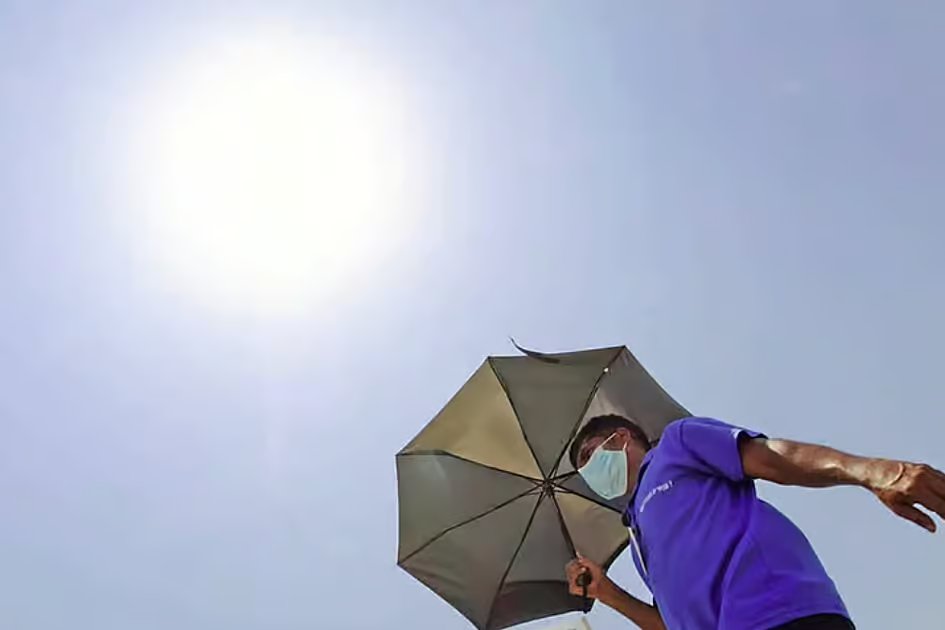
As temperatures rise during the warmer months in UAE, junior sports training — particularly in outdoor disciplines such as tennis, football, cricket — continues to be scheduled with careful attention to timing and conditions.
Families are often navigating everyday decisions around their children’s training routines, including considerations linked to heat, hydration, and post-activity recovery.
While professional coaches argue that structured exposure can help children adapt and grow stronger physically, some parents remain uneasy about the intensity of midday or early afternoon training sessions.
Stay up to date with the latest news. Follow KT on WhatsApp Channels.
The debate reflects a wider concern in the UAE’s sporting communities as humidity and heat index levels rise.
Balancing training and heat resilience
For some coaches, complete avoidance of outdoor sport during summer months is not the answer. They believe controlled exposure, when properly managed, is key to long-term athletic development.
“While caution around heat and hydration is important, children are more resilient than we often assume,” said Alexei Volkov (name changed upon request), a tennis coach with experience training junior athletes in the country.
“With proper scheduling, gradual conditioning, and supervision, training during early morning or late afternoon hours is entirely manageable. Avoiding outdoor activity altogether during warmer periods can limit a child’s physical development and their ability to adapt to real match conditions. The key is not restriction, but structured exposure and sensible management of intensity.”
For parents like Moldovan resident Inga Popescu, however, lived experience on the sidelines tells a more cautious story.
“My son sometimes does football training during the hottest parts of the day, which makes me a bit uneasy. My husband used to do boot camps when he was younger, so he feels that as long as children are well-hydrated and have electrolytes, it’s fine for them to play either before 12pm or after 4pm.”
But concern builds as she watches her son struggle after sessions.
“But I’m not fully convinced. The summer heat here in the Middle East can be really intense, and I’ve noticed my son gets very tired after just an hour, especially from May onwards. He comes back completely drained, and it worries me to see how much it takes out of him.”
She added that while she understands her husband’s confidence comes from his own fitness background, she worries that children don’t regulate heat the same way adults do — especially in the UAE’s summer conditions, “where humidity and high temperatures can make even short sessions feel exhausting and can lead to sunburns and excessive tanning. Even if he drinks enough fluids, I can see it in his face when he comes back,” she said. “He looks drained, and it takes him a long time to recover.”
The couple often disagrees on timing and intensity, with differing interpretations of what is “safe” training.
“I also feel concerned that my son may try to push through fatigue without recognising warning signs like overheating or dehydration.”
Early warning signs often missed
Meanwhile, doctors in the UAE highlight that what looks like normal fatigue in children can sometimes be an early indicator of heat stress.
Dr Mamata Bothra, specialist pediatrics and neonatologist, International Modern Hospital Dubai said, “In the UAE, many children remain physically active outdoors throughout the year, including during periods of intense heat and humidity. While sports are extremely important for a child’s physical and mental wellbeing, parents and coaches must recognise that children are more vulnerable to heat-related illnesses than adults because their bodies do not regulate temperature as efficiently.”
Subtle behavioural changes are often the first red flags.
“One of the most commonly overlooked early warning signs of heat stress in children — particularly in the age group between 6 and 16 years old — is unusual fatigue or a sudden drop in performance during training. Many parents and coaches may assume the child is simply tired or unmotivated, when in reality the body may already be struggling to cope with overheating,” added Bothra.
In general, medics reiterate outdoor sports activities should be rescheduled, reconsidered, or modified when “temperatures exceed 35°C, particularly if humidity levels are above 60 per cent. During UAE summer months, afternoon outdoor training sessions can become especially risky. Whenever possible, sports activities should be moved to early morning or after sunset hours.”
Healthcare professionals stress that during sports activities, children should take regular hydration breaks every 15 to 20 minutes even if they do not feel thirsty. Coaches should ensure shaded rest periods are built into training sessions and should monitor children closely for any behavioural or physical changes.
She added, “Cooling towels, mist sprays, and access to air-conditioned recovery areas can also help significantly. After exercise, rehydration remains essential. Parents should continue encouraging water and electrolyte intake, monitor urine colour for signs of dehydration, and ensure children recover adequately before returning to strenuous activity.”
What parents should watch for
Pediatricians emphasised that parents should look beyond performance and focus on behavioural cues during sport.
Dr Naveen Raju, Specialist Pediatrician, LLH Hospital, Musaffah said, “In children aged 5 to 10 years, the commonly missed signs are when the child becomes quiet, irritable, or unusually tired. They may complain of tummy ache or headache. Some children may become clumsy, slow down, or ask for frequent breaks.”
Older children may try to push through symptoms unnoticed.
“In children aged 11 to 17 years, the warning signs include headache, dizziness, nausea, muscle cramps, confusion, and poor concentration. Some children may hide symptoms and try to push through. A child may continue playing football because they are not dizzy yet, but can suddenly develop muscle cramps and faint after that.”
Clear thresholds for stopping activity are essential.
“Activity should be stopped immediately and medical help should be sought if the child has vomiting, fainting, confusion, unsteady walking, or stops sweating in extreme heat,” added Raju.
Source: Khaleej Times