


As thousands of UAE residents prepare to travel during the summer holidays, health experts are reminding travellers to follow official advisories, stay aware of health updates at their destinations and seek medical advice if they feel unwell during or after their trip.
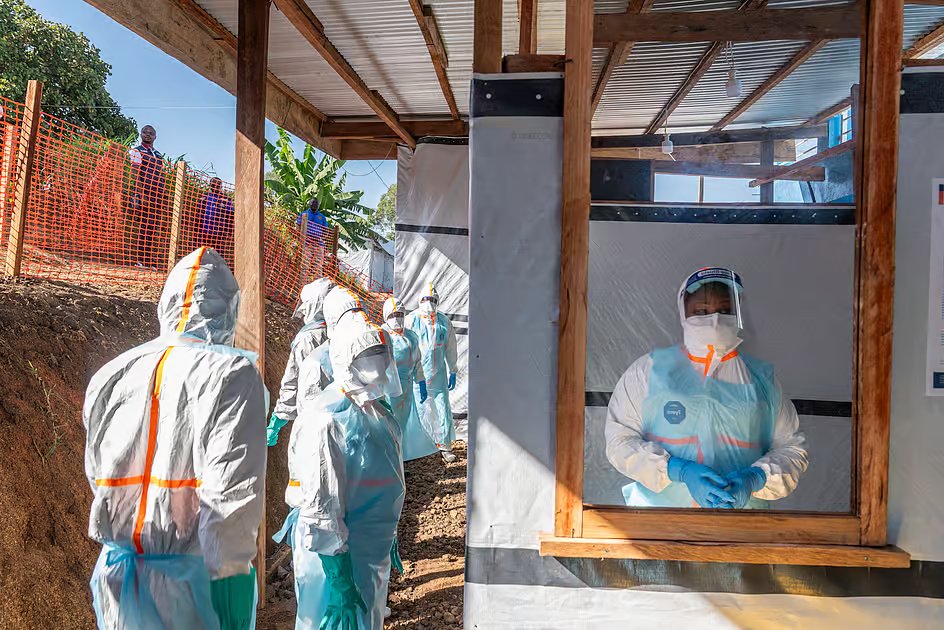
The advice comes as global health authorities continue monitoring outbreaks and health alerts in different parts of the world, including Ebola and hantavirus cases reported. However, UAE authorities have stressed that the country’s public health situation remains stable and that preparedness and monitoring systems remain active.
Recently, the National Emergency Crisis and Disaster Management Authority (NCEMA) and the Ministry of Health and Prevention (MoHAP) confirmed that the UAE’s public health situation remains stable and that surveillance, monitoring and emergency response systems continue to assess global developments and preparedness measures.
Stay up to date with the latest news. Follow KT on WhatsApp Channels.
Authorities have also advised against non-essential travel to Ebola-affected countries including Uganda, the Democratic Republic of the Congo and South Sudan.
Doctors said that the message for travellers is simple — stay informed, follow official guidance and avoid relying on rumours circulating on social media.
Authorities remain prepared
Doctors said that the UAE has one of the region’s strongest public health preparedness systems, supported by monitoring at airports, healthcare facilities and points of entry.
Dr Maryam Mojtabavi, infectious diseases specialist at NMC Royal Hospital Sharjah, said authorities are closely following global developments and have already confirmed that preparedness systems are active and ready.
“The UAE is also home to a highly aware medical community and advanced infection-control systems. Hospitals routinely train for infectious disease preparedness,” she said.
Dr Saheer Sainalabdeen, specialist pulmonologist at Medeor Hospital Dubai, noted that healthcare facilities and medical teams remain prepared to respond efficiently to a range of health situations if required.
He added that residents should rely on official sources for information and avoid the spread of inaccurate information.
What travellers should know
Among the health concerns being monitored globally is Ebola, a serious viral disease that has recently triggered renewed attention following outbreaks in parts of Africa.
Doctors highlighted that Ebola does not spread as easily as many people believe.
“Ebola does not spread through the air, water, food, or casual contact such as sitting near someone on public transport, passing through an airport, or visiting a shopping mall,” said Dr Saheer.
According to doctors, the virus is mainly transmitted through direct contact with bodily fluids of a person who is already sick with symptoms.
Another health concern that has recently made headlines globally is hantavirus. UAE authorities have previously said they remain prepared to respond to emerging health situations and continue monitoring international developments.
Doctors said residents should remember that global outbreaks often attract widespread attention, but the risk to most travellers remains low when appropriate precautions are followed.
Symptoms not to ignore
Doctors said that travellers should pay attention to any unusual illness during or after a trip, especially if they have visited areas affected by disease outbreaks.
Early Ebola symptoms can include fever, fatigue, severe weakness, muscle pain, headache, sore throat, vomiting and diarrhoea.
Dr Saheer said symptoms can appear up to 21 days after exposure, making travel history particularly important.
“It can be challenging to distinguish Ebola from other diseases such as malaria, typhoid fever and meningitis. This is precisely why travel history is so medically important,” he said.
Dr Maryam added that travellers who develop symptoms after returning home should seek medical advice promptly and clearly inform healthcare providers about where they have travelled.
She stressed that having a fever after travel does not automatically mean Ebola, as many common travel-related illnesses can produce similar symptoms.
Simple precautions for summer holidays
Doctors advised travellers to check official travel advisories before departure and remain updated on any health alerts affecting their destination.
Good hygiene practices remain among the simplest and most effective ways to reduce the risk of many infections. Experts recommended regular handwashing, carrying hand sanitiser, drinking safe water and avoiding contact with individuals who are visibly unwell.
Parents travelling with children should ensure they remain hydrated, particularly during long journeys and busy travel periods.
Medical experts also advised travellers to keep emergency healthcare contacts and travel insurance details readily available and to seek medical help early if symptoms develop.
Doctors stressed that most travellers can continue their holiday plans normally by following official advisories, staying aware of health updates and seeking medical advice if they feel unwell.
“Awareness is important, but panic is unnecessary,” said Dr Maryam, noting that the UAE’s healthcare system, disease surveillance networks and preparedness measures remain active while authorities continue monitoring developments around the world.
Source: Khaleej Times