


AI adoption, expanding data volumes and the emerging threat posed by quantum computing are prompting enterprises to reassess their cybersecurity strategies. Growing demand for platform consolidation is also encouraging organisations to integrate data security, application security and identity and access management capabilities.
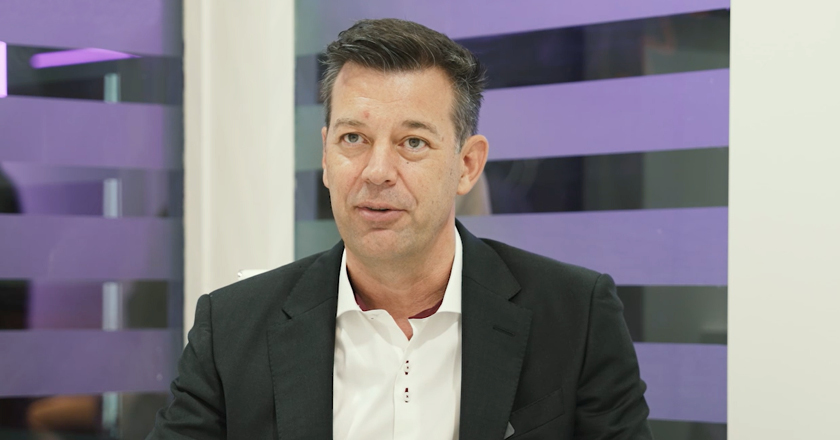
In an interview with TahawulTech.com at GISEC Global 2026, Sébastien Pavie, Vice President of Sales – SEMEA at Thales, discusses the company’s latest data protection and quantum-safe security developments. He also examines the dual role of AI in strengthening cyber defence and enabling more sophisticated attacks, highlighting the importance of protecting sensitive data throughout its lifecycle.
How did you find GISEC Global 2026 compared with previous editions?
The new venue at Expo City Dubai brought fresh energy to GISEC Global 2026. The event was extremely busy, which reflected strong engagement from the cybersecurity community. GISEC continues to provide an important platform for Thales to connect with customers and partners, discuss evolving security priorities and present our latest product developments.
What did Thales demonstrate at GISEC Global 2026?
Thales showcased capabilities across data security, application security, and identity and access management. Customers increasingly want to consolidate products and vendors, so we continue to combine complementary solutions within integrated platforms. One of our latest developments brings data protection capabilities together within a single platform, covering the discovery, visibility, protection and control of sensitive information. We also introduced a next-generation, quantum-ready hardware security module designed to help organisations prepare for the potential impact of quantum computing on current encryption methods.
What should guide enterprises when selecting AI-powered cybersecurity technologies?
Enterprises should first recognise AI’s dual role in cybersecurity. Attackers can use AI to increase the scale and sophistication of threats, while defenders can apply the technology to strengthen detection, protection and response. AI adoption also creates and processes significantly larger volumes of data, making data-centric security more important than ever. Organisations should therefore assess whether a security technology can protect sensitive data throughout its lifecycle, support AI use cases and defend against AI-enhanced threats. Regulatory requirements, integration capabilities and opportunities to consolidate existing security tools should also guide technology selection.
What would be your closing advice to CISOs who attended GISEC Global 2026?
CISOs should use the event as an opportunity to reassess their security priorities against a rapidly changing technology and regulatory landscape. AI-related risks and the growing focus on post-quantum security require organisations to review whether their current controls remain fit for purpose. Security leaders should evaluate solutions that strengthen data protection, prepare their organisations for quantum-related risks and support secure AI adoption. GISEC offers access to a broad range of technologies that can help CISOs identify gaps and adjust their cybersecurity strategies accordingly.
Image Credit: Thales
Source: Tahawul Tech